

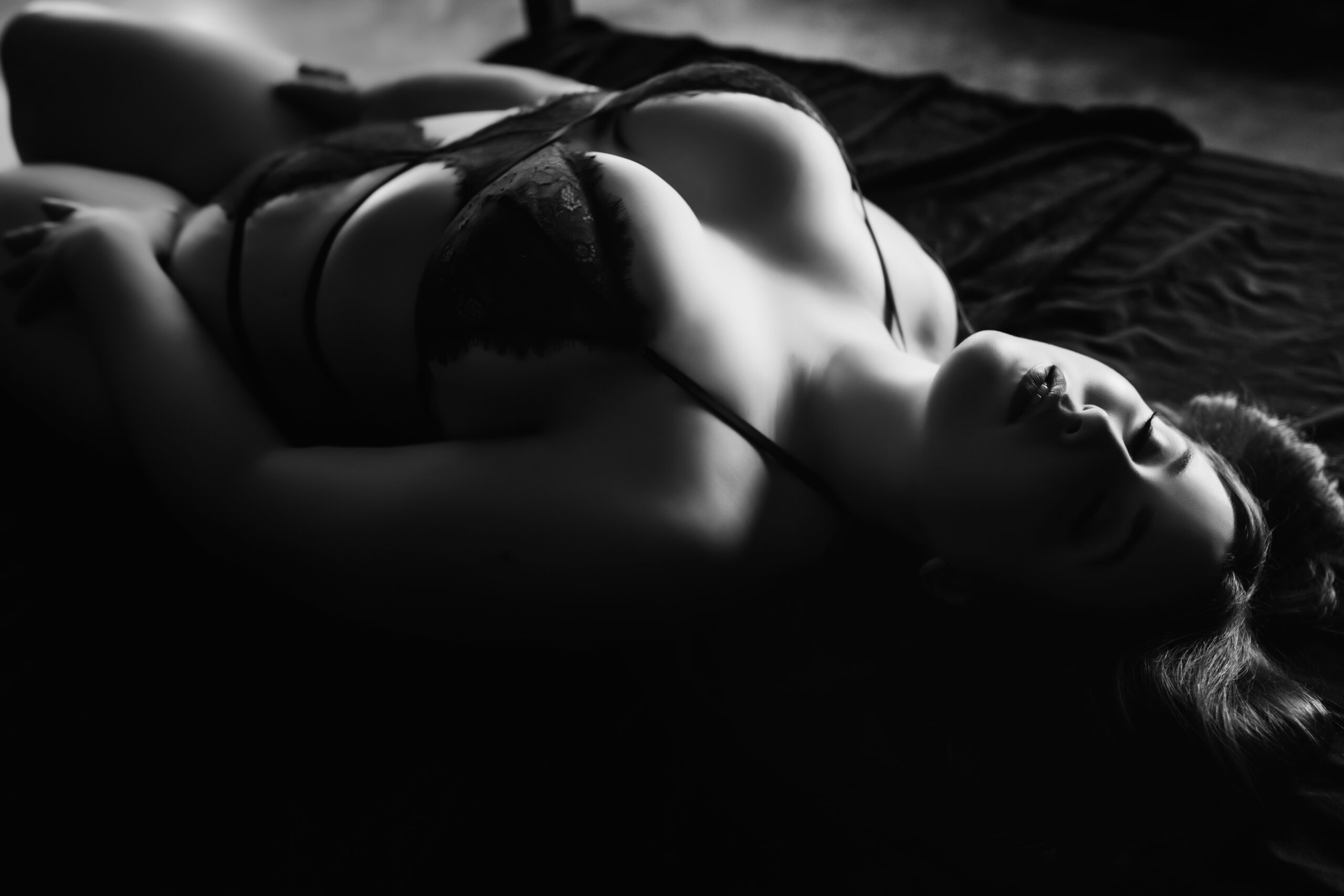
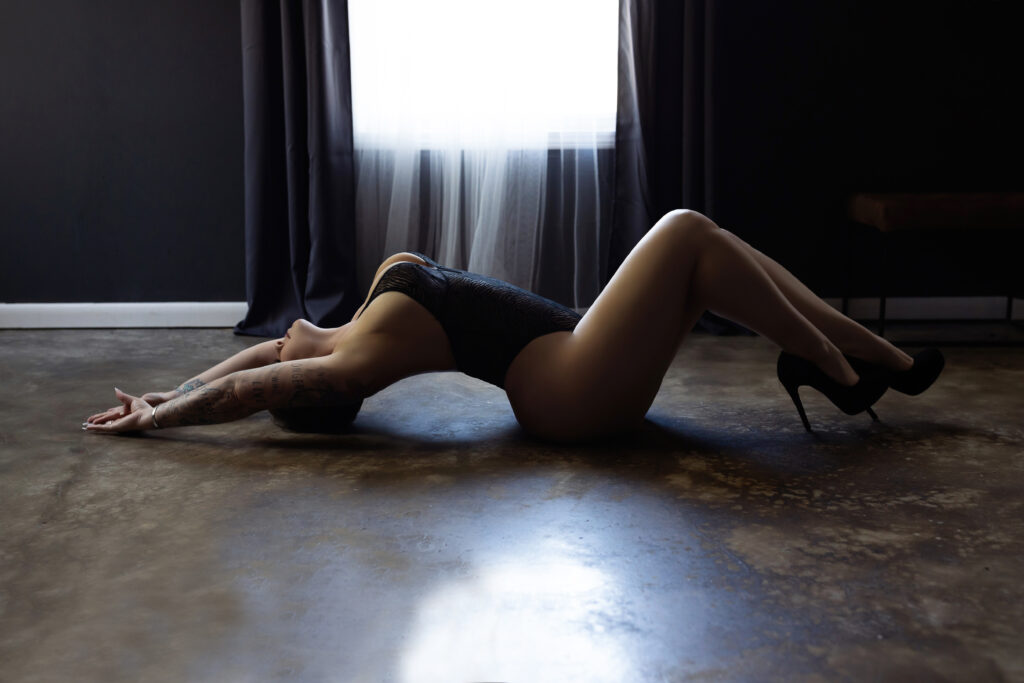
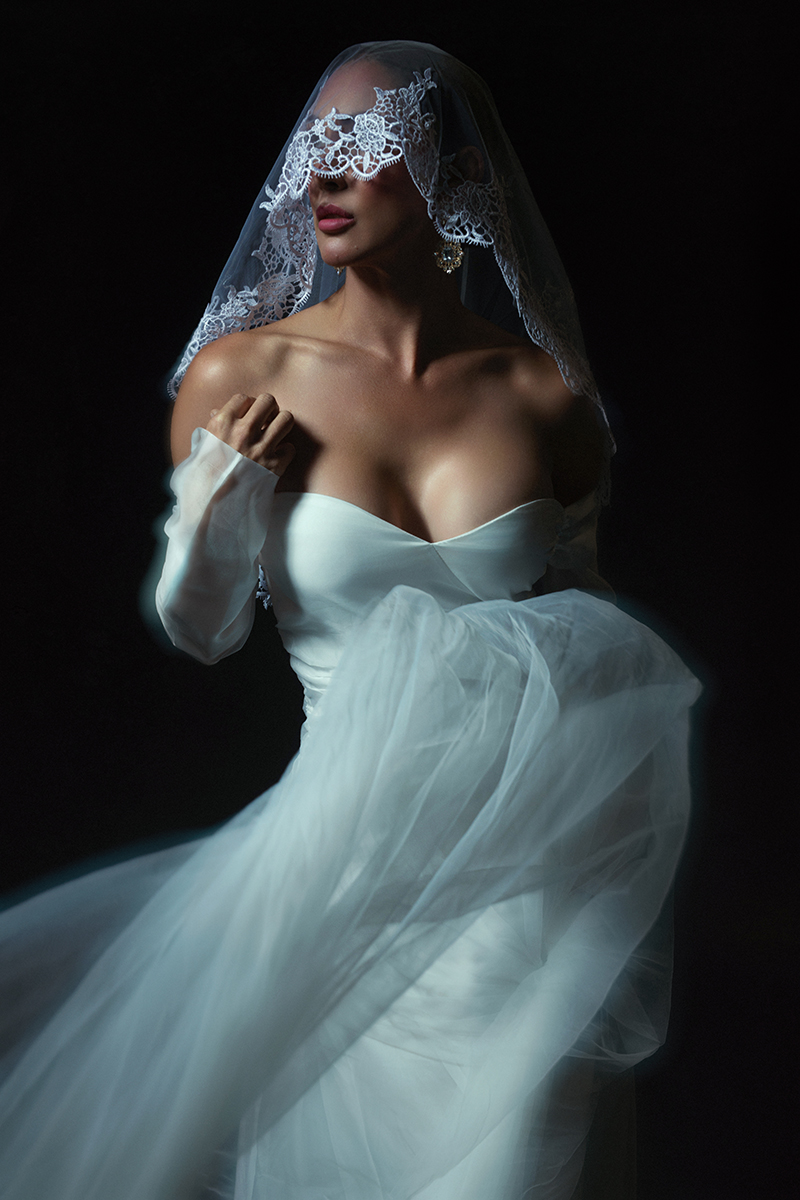
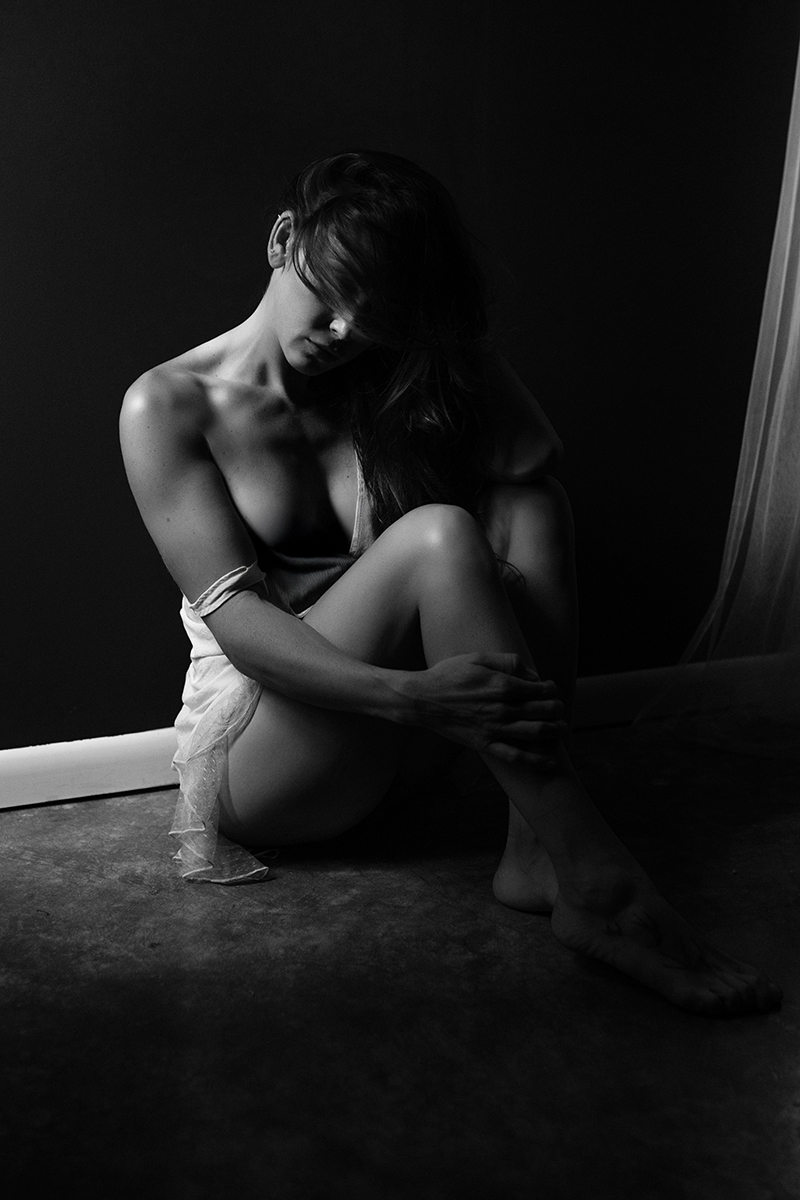
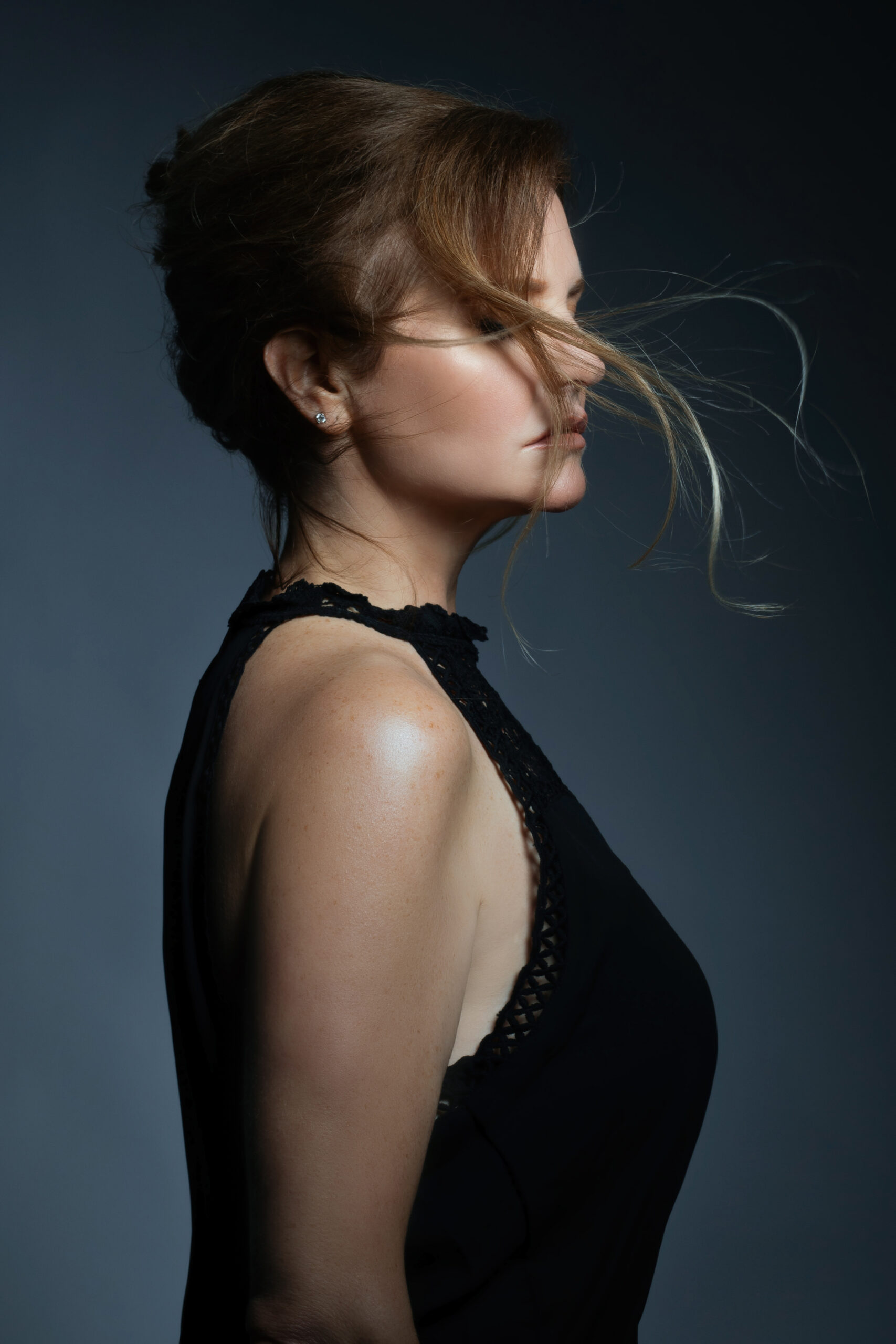
Dark and moody boudoir photography has become increasingly popular over the last several years, but truly cinematic imagery is much harder to create than many people realize.
What often appears effortless in a finished photograph is usually the result of intentional lighting, careful posing, restraint in editing, and a deep understanding of atmosphere and emotion.
Because mood is not created through darkness alone.
The most beautiful boudoir imagery still understands how to illuminate a woman softly, shape dimension, preserve detail, and create connection without revealing everything all at once.
That balance is where the artistry lives.
Dark Does Not Automatically Mean Moody
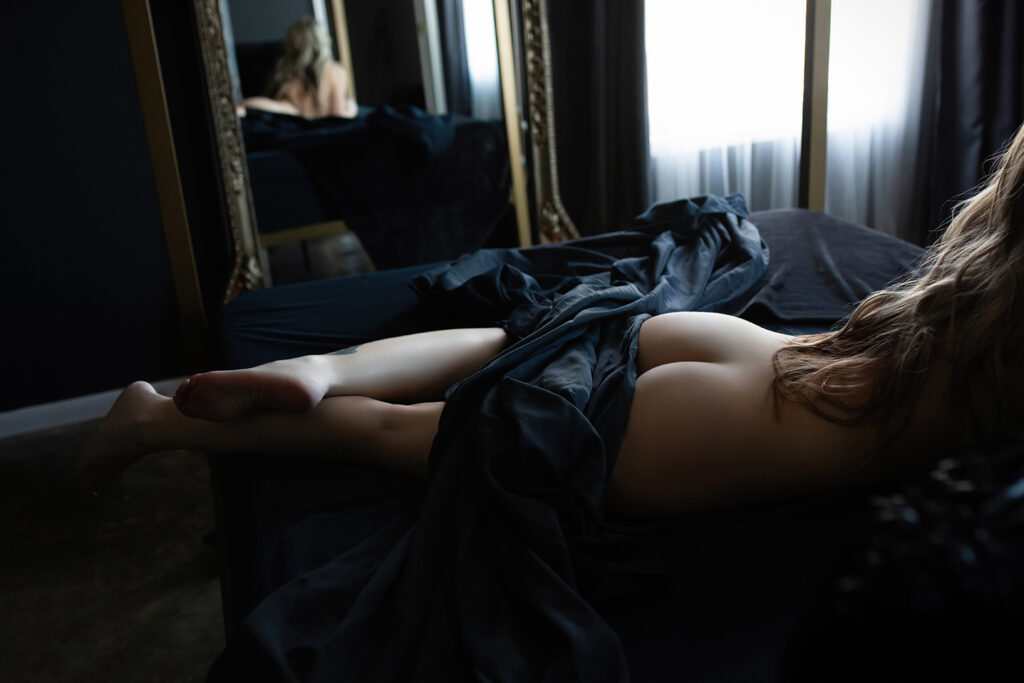
One of the biggest misconceptions about dark and moody photography is that mood simply comes from lowering exposure or applying heavy editing filters.
But darkness alone rarely creates atmosphere.
In fact, poorly lit “moody” photography can often lose dimension, flatten skin tones, hide detail, and make imagery feel muddy instead of cinematic.
True mood comes from intentional light placement, softness, contrast, movement, and emotion working together.
The difference is subtle, but it completely changes how an image feels.
Lighting Creates Emotion
The most cinematic boudoir imagery is shaped through light.
Soft directional light creates depth. Shadow creates tension. Highlights guide the eye gently through the photograph instead of exposing everything immediately.
Beautiful lighting allows a photograph to feel layered and emotionally alive and reveals slowly instead of all at once.
That restraint is often what makes imagery feel expensive, timeless, and editorial.
Heavy Filters Cannot Replace Good Photography
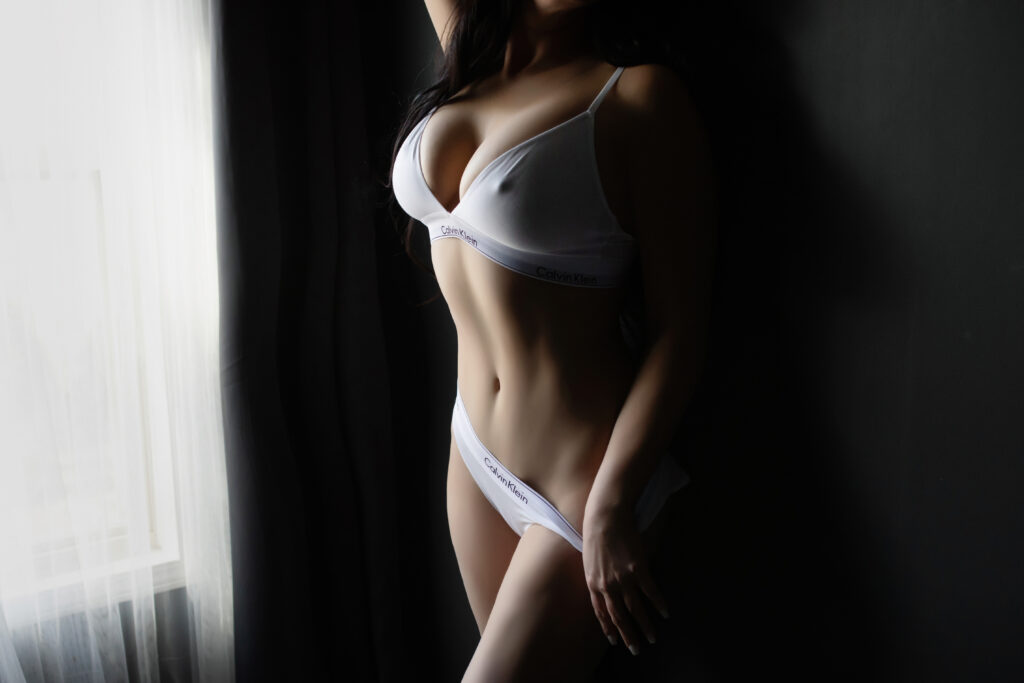
Many photographers attempt to recreate a luxury editorial look through dark presets, excessive grain, desaturated skin tones, or overly dramatic editing.
But editing alone cannot create dimension where it was never captured properly in-camera.
Strong imagery begins before editing ever happens: through posing, composition, lighting, movement, and intentional direction.
The best boudoir photography rarely depends on trends or effects to feel beautiful.
Sophisticated Boudoir Relies On Restraint
One of the reasons timeless boudoir photography feels so powerful is that it rarely tries too hard.
The imagery leaves room for softness, mystery, atmosphere, and interpretation. It allows emotion and connection to carry the photograph instead of relying solely on shock value or overly provocative posing.
The result feels cinematic rather than performative. Refined rather than trendy. And often far more memorable because of it.
The Goal Is To Create Imagery That Still Feels Beautiful Years From Now
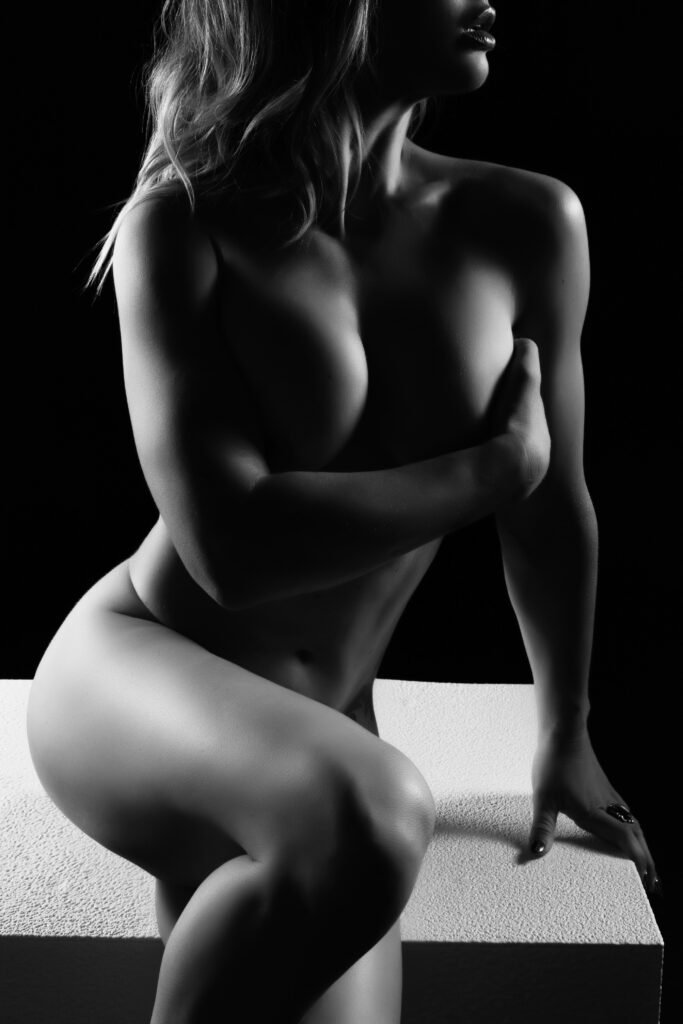
Trends in photography come and go quickly. But photographs rooted in intentional lighting, emotion, restraint, and thoughtful artistry tend to endure.
The most timeless boudoir imagery doesn’t simply follow trends…it creates feeling.
And long after editing styles change, that feeling is what people continue returning to.
Finding The Perfect Dark And Moody Boudoir Photographer
Dark and moody boudoir photography is about much more than darkness. It’s about creating atmosphere, emotion, and connection in a way that feels timeless rather than trendy.
At Christie Conyer Studio, boudoir photography is approached with an editorial eye rooted in years of experience shaping the dark and moody aesthetic long before it became a trend. Christie was one of the early pioneers of cinematic boudoir photography: blending intentional lighting, refined posing, and emotional storytelling to create imagery that feels sophisticated, timeless, and deeply personal.
Want to explore this idea even deeper?
The Muse Journal is a complimentary editorial guide exploring the subtle details that separate timeless, elevated boudoir photography from imagery that quickly feels dated: from lighting and posing to hair, makeup, atmosphere, and artistic restraint.


Comments +